Top Myths About Field Inspections Debunked


Understanding Field Inspections
Field inspections are a crucial component of many industries, providing valuable insights into the condition and compliance of various assets. However, several myths surround the practice, often leading to misunderstandings. This article aims to debunk these myths and offer a clearer understanding of what field inspections entail.

Myth #1: Field Inspections Are Only for Real Estate
One common misconception is that field inspections are solely associated with real estate. While they are indeed vital in real estate transactions, ensuring properties meet specific standards, field inspections are also critical in other sectors. Industries such as agriculture, construction, and environmental management rely on inspections to monitor conditions and compliance.
For example, in agriculture, inspections help assess crop health and soil quality. In construction, they ensure safety standards are met throughout project phases. Thus, field inspections serve a broad range of purposes beyond real estate.
Myth #2: Inspections Are Always Lengthy and Disruptive
Another myth is that field inspections are time-consuming and disruptive to operations. While some inspections can be detailed and thorough, advancements in technology have streamlined many processes. Drones, mobile apps, and digital reporting tools allow inspectors to conduct assessments efficiently, minimizing disruptions.
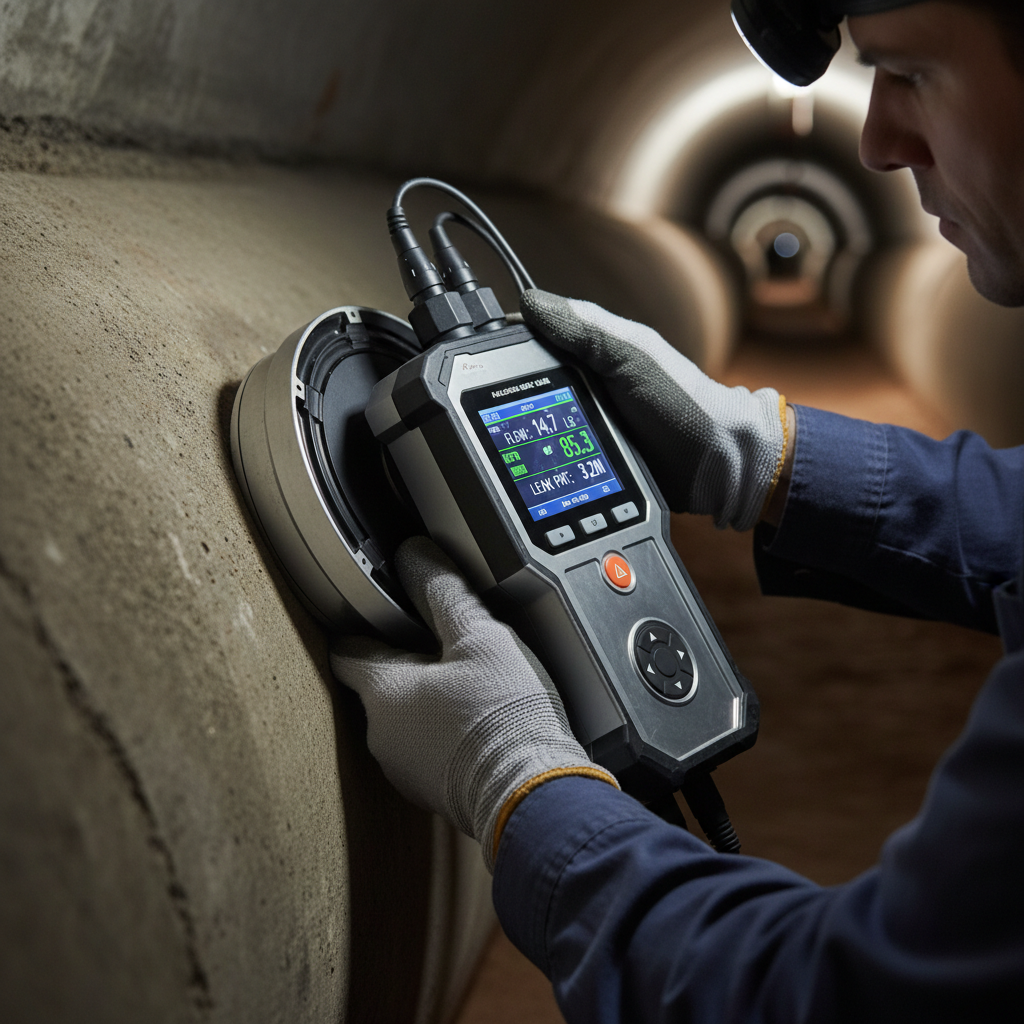
Moreover, well-planned inspections are scheduled to cause minimal inconvenience, ensuring that operations continue smoothly while maintaining compliance and safety.
Myth #3: All Inspections Are the Same
Many people believe that all field inspections follow the same procedures and checklists, but this is far from the truth. Inspections are tailored to specific industries, regulations, and client needs. For instance, a safety inspection in a manufacturing plant will differ significantly from a pest inspection on a farm.
Inspectors are trained to focus on relevant criteria, ensuring the process is both efficient and effective. Customization is key to delivering precise and useful results.

Myth #4: Field Inspections Are Too Expensive
Cost concerns often deter businesses from scheduling regular inspections. However, the reality is that inspections are an investment in long-term savings. Identifying issues early on can prevent costly repairs or penalties due to regulatory non-compliance.
Moreover, many inspection services offer competitive pricing and flexible packages to accommodate different business sizes and needs, making them accessible to a wide range of clients.
Myth #5: DIY Inspections Are Just as Effective
Some believe that they can perform inspections themselves without professional assistance. While internal checks are valuable, they cannot replace the expertise and objectivity of a professional inspector. Trained inspectors have the knowledge and tools to identify problems that might be overlooked by untrained eyes.
Relying on professional inspections ensures that assessments are thorough, accurate, and compliant with current standards and regulations.
Conclusion
Field inspections are an essential practice across various industries, providing assurance and insights that contribute to safety, compliance, and efficiency. By debunking these myths, businesses can better appreciate the value of professional inspections and make informed decisions to protect and enhance their operations.